
 When the summer crowds thin out, small harbor towns reveal a slower, saltier charm that day-trippers never get to see.

The Case for a Rainy Day at the Shore
Everyone plans for sunshine. The beach bag gets packed, the sunscreen gets checked, and the whole trip is built around the assumption that the weather will cooperate. Then it rains. The kids get restless, the adults get grumpy, and somebody starts looking up movie times in the nearest town. I want to make a case for staying put.
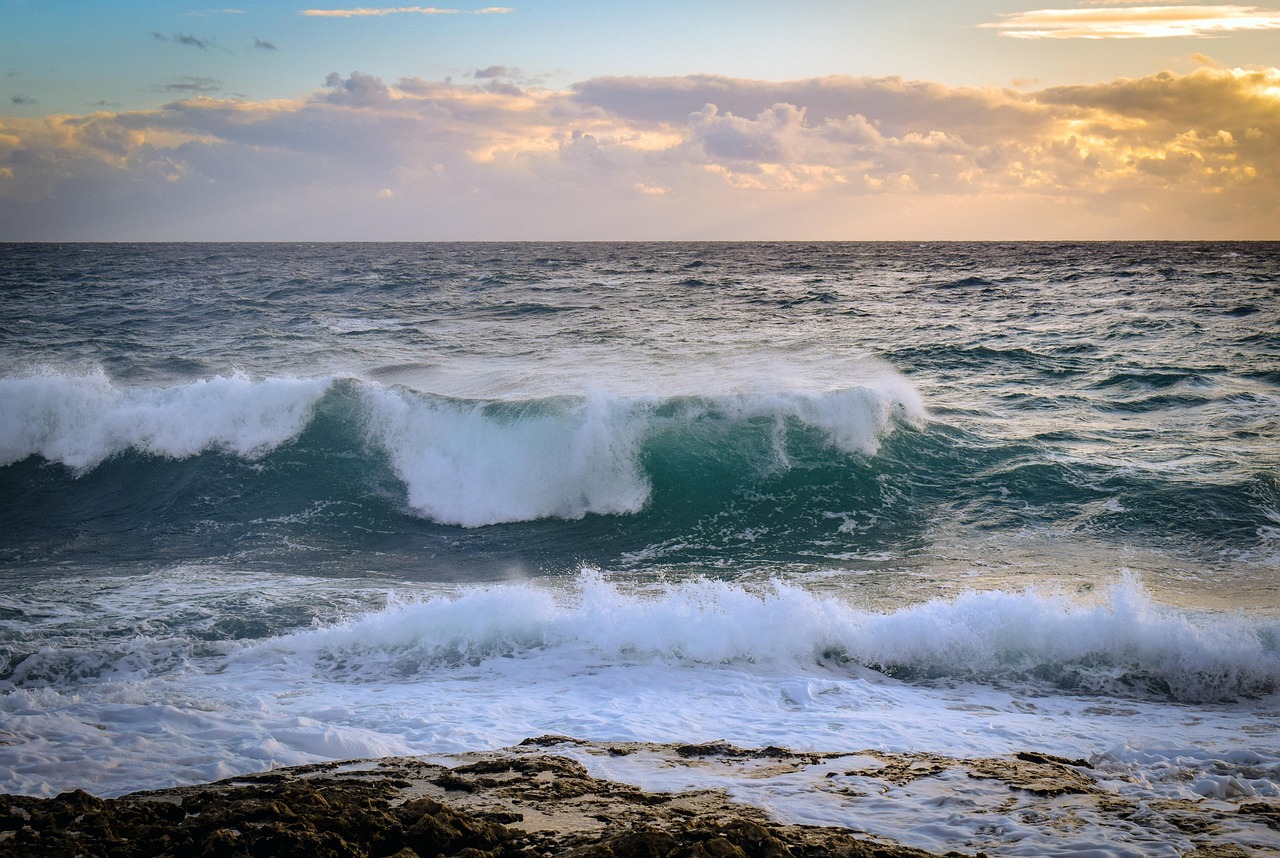
A rainy day at the shore is a different place entirely. The light goes flat and silver. The horizon disappears into mist. The waves sound louder because there are fewer other sounds to compete with. If you have ever wanted to understand why sailors and lighthouse keepers have always spoken of the sea with a kind of reverence, this is the day that explains it.
What the Storm Reveals
The first thing a storm does is clear the beach. The crowds vanish, and what is left is a long empty strand with the wind pushing spray up over the dunes. You can walk it in boots and a good rain jacket, and you will see things the sunny day hides: the way the sand shifts under the surf, the way debris lines form along the high-water mark, the way gulls hunker down in the lee of the rocks and wait it out.
The tide pools are at their best in bad weather. Rain cools the shallow water, and the creatures that hide during the heat of the day come out. You will find anemones open like flowers, hermit crabs moving between shells, and small fish trapped in the pools until the next high tide. Bring a hand lens if you have one. The miniature world is worth the trouble.
Harbors are also worth a visit in the rain. The boats tug at their moorings, the halyards sing, and the whole place smells of diesel, salt, and wet rope. The fishermen who are not out working will be in the gear shop or the diner, and they are usually happy to talk when there is nothing else to do. Ask about the weather and you will get an education. Ask about the fishing and you will get a story.
How to Make the Most of It
Preparation is everything. Waterproof boots and a real rain jacket beat an umbrella every time on the coast, because the wind will turn an umbrella inside out within a block. Bring a thermos. Bring a book. Bring a deck of cards. The rhythm of a rainy day is slower, and the best thing you can do is let it slow you down too.
Plan one indoor anchor for the day — a small museum, a library, a bakery with a window seat — and then let the rest of the day be loose. Walk the beach for an hour, come back, dry off, go out again. Eat lunch late. Take a nap. Watch the storm from a porch with a cup of tea and no particular place to be. The coast does not owe you sunshine. What it offers instead, on days like this, is something rarer: the feeling that you are standing at the edge of something vast and alive, and that for a little while you are part of it.
The next time the forecast turns, do not cancel the trip. Pack the rain gear, drive to the shore, and see what the coast looks like when it is not trying to please you. It may be the best day of the whole season.