
 When the crowds leave, the coast reveals its truest self — and you get it almost entirely to yourself.
The Lost Art of Beachcombing: What the Tide Leaves Behind
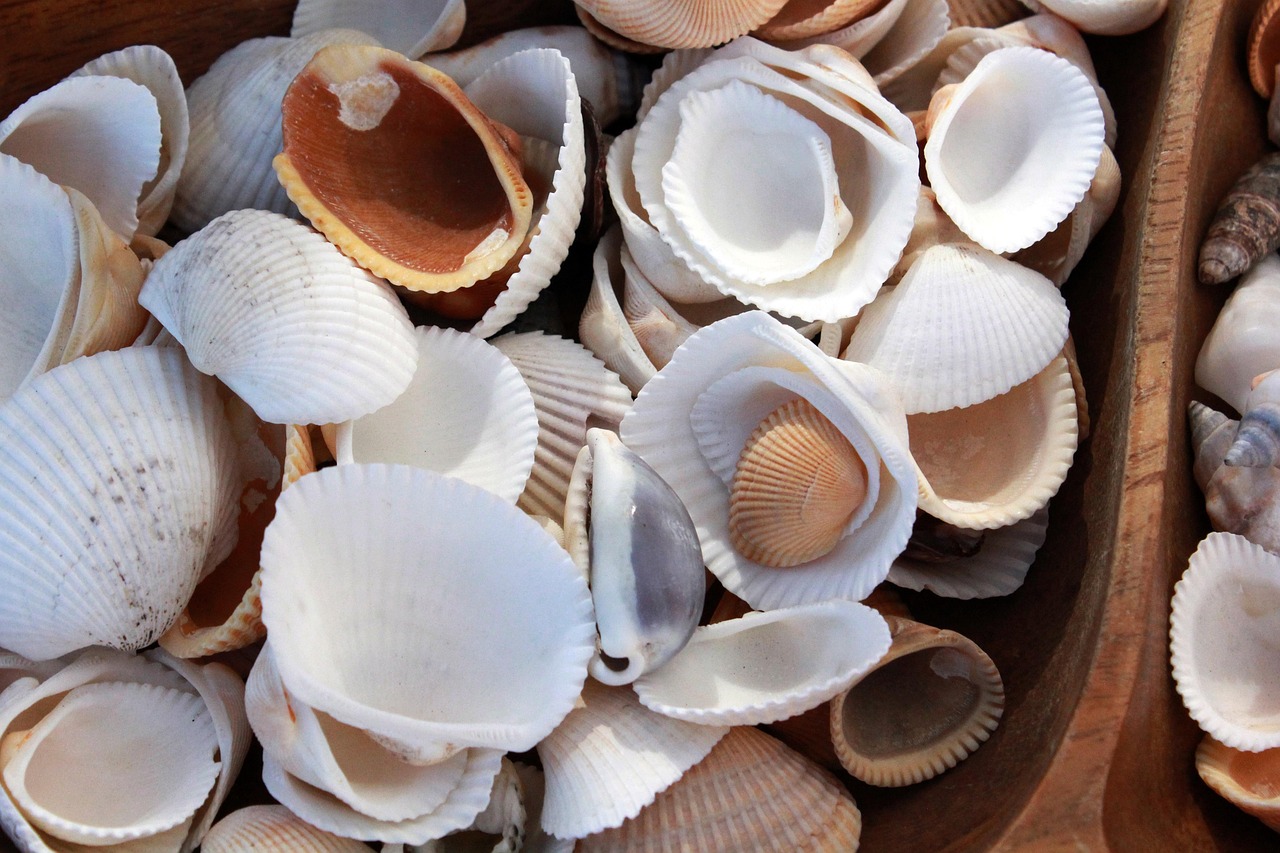
There is a particular kind of quiet that settles over a beach just after the tide has turned and begun its long retreat. The sand is freshly combed, smoothed into soft ripples, and scattered across it like a careless handful of treasure is whatever the ocean decided to give back. Beachcombing is not really about finding anything in particular. It is about paying attention, one slow step at a time, to the small stories the sea tells when nobody is watching.
My grandmother called it "reading the shore." She kept a biscuit tin full of sea glass on her windowsill, each piece worn smooth by decades of tumbling. She never sold any of it. She just liked knowing where it had been. That is the strange pull of beachcombing — you are not collecting objects so much as collecting time.
What to Look For and When to Go
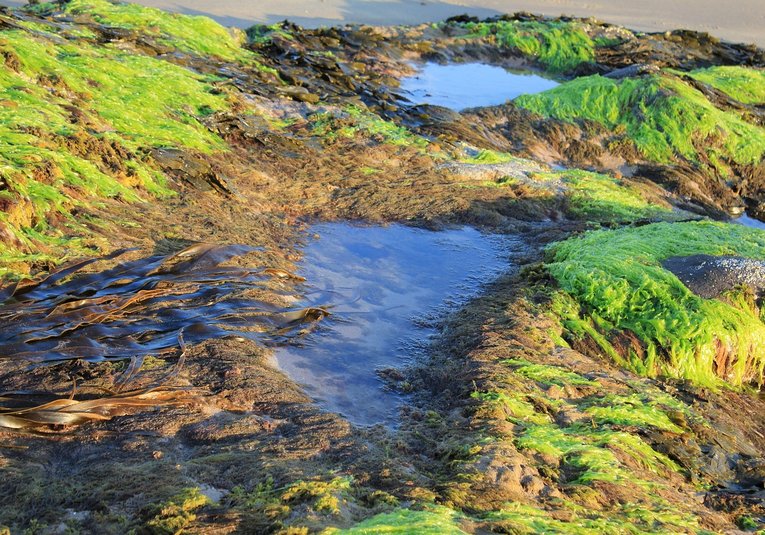
The best beachcombing happens in the two hours after a high tide, especially after a storm has stirred up the shallows. Aim for a beach with a wide, gentle slope and a clear wrack line — the dark ribbon of seaweed, driftwood, and debris that marks where the water reached its peak. That line is your map.
Sea glass, the frosted jewel of any collection, tends to gather where pebbles and shells pile up. Look for greens and browns first; blues and reds are rarer and worth a quiet little gasp when you spot one. Driftwood, worn into shapes you could not invent, is another reward. So are mermaid's purses, those strange black cases that once held a skate's egg. And if you are very lucky, a message in a bottle — though in my experience it is usually a faded receipt from someone's pocket.
Bring a canvas bag, not plastic. Wear shoes you do not mind soaking. And go slowly. The people who find the good stuff are never the ones power-walking with a metal detector. They are the ones who stop, crouch, and turn a piece of glass over in their palm to see how the light moves through it.
The Unwritten Rules of the Wrack Line
There is an etiquette to this. Take only what you will genuinely keep. Leave the living things where they are — crabs in their shells, anemones clinging to rocks, the tiny sand hoppers that scatter when you lift a strand of kelp. If you find a bird or a seal that seems unwell, do not touch it; call a local wildlife rescue instead. The shore is not a shop. It is a neighbour's garden, and you are a guest.
I still have a jar of sea glass on my kitchen windowsill, and every piece has a story I half-remember. One green shard, thick and dimpled, came from a beach in Cornwall after a gale. A pale blue piece, no bigger than a thumbnail, turned up on a winter morning when the sand was still frozen at the edges. None of it is worth anything to anyone else. All of it is worth something to me.
So next time you find yourself near the coast, give yourself an hour. Walk the wrack line. Let the tide do the tidying and you do the looking. You will come home with sandy pockets and, if you are lucky, a small, salt-worn thing that reminds you the sea is always talking, if only you slow down enough to listen.