
 Spend two days on a commercial pier and you will learn more about the sea than a season of beach resorts could ever teach you.
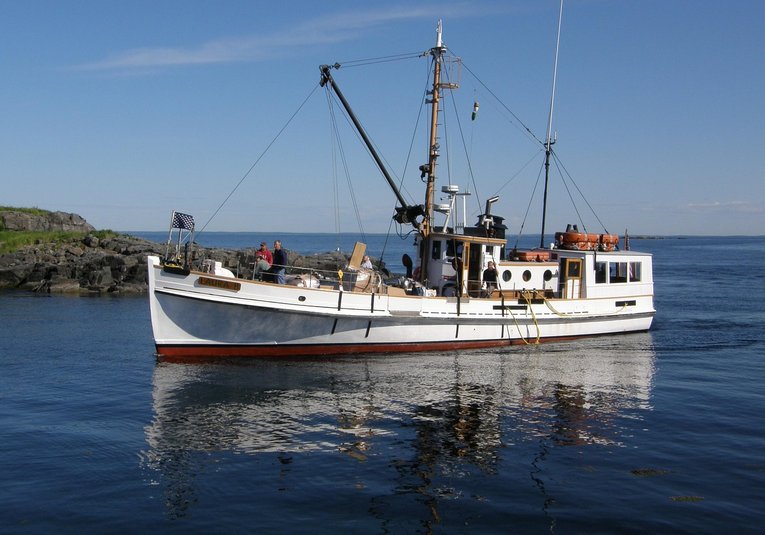
The Quiet Joy of an Off-Season Harbor Town

There is a particular kind of silence that settles over a harbor town in late October. The ice cream stands have pulled their shutters down, the rental kayaks are stacked and tarped behind the boathouse, and the only sounds left are halyards clinking against masts and the low rumble of a diesel engine idling at the fuel dock. For most visitors, this is the town's dead season. For the rest of us, it is the main event.
I started planning my coastal trips around the off-season a few years ago, almost by accident. A cancelled summer reservation left me with a week free in November, and rather than lose the deposit, I drove down anyway. What I found was a version of the coast I had never really met before: unhurried, unpolished, and honest about what it is.
What Changes When the Crowds Leave
The first thing you notice is the parking. It sounds trivial, but when you can pull up to the seawall without circling for twenty minutes, you actually stop and look at the water instead of hunting for a spot. The second thing is the conversation. Shopkeepers have time to talk. The woman at the chandlery will tell you which tide is best for walking out to the sandbar, and the bartender at the corner pub will point you toward the fishing pier where the locals actually go.
Restaurants shift their menus too. The fried clam shacks close, but the places that stay open start serving things like haddock chowder, braised short ribs, and whatever the boats brought in that morning. Meals feel less like a transaction and more like being let in on something. You eat slower. You linger over a second cup of coffee while rain streaks the window and a dragger works its way out past the breakwater.
Walking the beach in the off-season is a different sport altogether. The summer sand is groomed and crowded; the winter beach is littered with treasures — whelk egg cases, sea glass worn smooth, the occasional lobster buoy that has made its way ashore. You will want a windproof jacket and boots you do not mind getting wet. You will also want to check the tide chart, because the best walking is often at low tide when the hard-packed sand stretches out like a road.
How to Do It Well
Off-season travel rewards a little preparation. Call ahead, because hours shrink and some places close entirely for a few weeks between seasons. Book a small inn or a cottage rather than a big resort; many offer reduced rates and the owners are often around to share local knowledge. Bring layers, because coastal weather turns on a dime, and bring a book, because the evenings get dark early and there is no better excuse to read by a window with the wind rattling the panes.
Most of all, adjust your expectations. This is not the coast of glossy brochures. It is the coast of chipped paint, working boats, and diners where everyone knows the waitress by name. If you go looking for entertainment, you may be disappointed. If you go looking for quiet, for long walks, for a bowl of chowder that tastes like it was made by someone's grandmother, you will find exactly what you came for — and you may find, as I did, that you never want to go back in July again.