
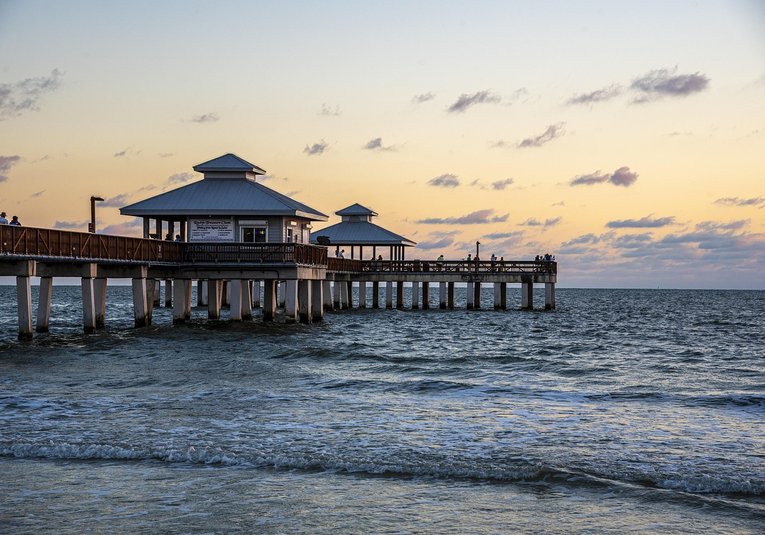
 Spend two days on a commercial pier and you will learn more about the sea than a season of beach resorts could ever teach you.
Ferry Crossings: The Slowest, Best Way to See a Coastline
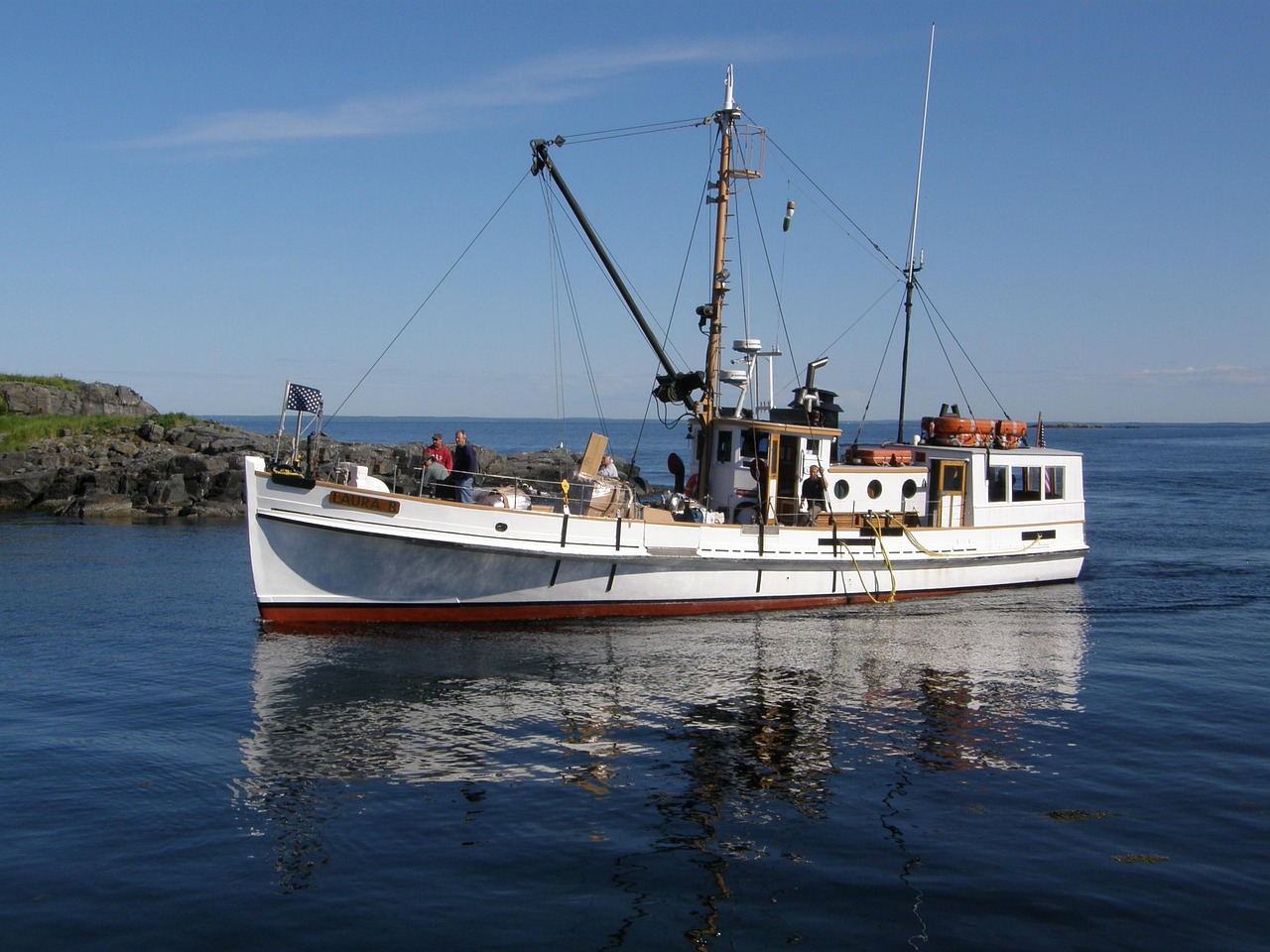
There is a moment on every ferry crossing when the land slips away behind you and the boat becomes the only solid thing in the world. The engine hums through the soles of your shoes. The gulls follow for a while, then give up. And the coastline you thought you knew — the one you have driven along a hundred times — rearranges itself into something new, seen from the water for the first time.
I have taken ferries that lasted twenty minutes and ferries that lasted eight hours. I have never once regretted choosing the boat over the bridge. Bridges are efficient. Ferries are memorable.
Why the Water Changes Everything
From the deck, a coastline reveals its true shape. Headlands that look like gentle curves from the road become sharp promontories jutting into open sea. Little coves appear between them, hidden from land, each with its own tiny beach and its own story. You start to understand why the old settlements are where they are — tucked into sheltered bays, facing away from the prevailing wind. The sea teaches geography better than any map.
The best crossings are the ones that thread between islands or follow a working coast. A ferry that passes a lighthouse, a fishing harbour, and a cluster of holiday cottages in the space of an hour gives you more of a sense of a place than a whole afternoon of driving. And if the weather turns — as it often does — you get the added drama of watching the crew handle a choppy crossing with the calm of people who have done it a thousand times.
Go up on deck, even if it is cold. Wear more layers than you think you need. Stand at the rail and watch the wake churn white behind you. This is the part people miss when they stay in the car deck, queuing for the exit before the boat has even docked.
Making the Crossing Part of the Trip
Treat a ferry like a destination, not a delay. Pack a flask of tea and something to eat. Bring a book you will not read because the view is better. Talk to the people around you — ferry passengers are a friendly bunch, and the person in the battered raincoat next to you might be a local who knows exactly which side of the boat to stand on for the best view of the seals.
If you are travelling with children, this is the easiest entertainment you will ever find. There are ropes to hold, waves to count, and the endless question of whether that dark shape in the water was a dolphin or just a bit of driftwood. (It was probably driftwood. It is always probably driftwood. But sometimes it is not.)
The slow crossing is a reminder that getting there is not always the boring bit between two interesting places. Sometimes the getting there is the whole point. So next time you are planning a coastal trip, look for the dotted line on the map, not the solid one. Buy a ticket for the boat. Let the land drift away. You will arrive on the other side a little saltier, a little calmer, and a lot more likely to remember the journey than the destination.